After Brexit, travel regulations for EU citizens have become less intuitive. While a trip to London used to be no different from a trip to Paris or Berlin, travelers now face a new set of requirements: passports are required, insurance coverage has changed, bank fees have increased, and mobile phone service is more expensive. While these changes aren’t critical, they do need preparation. Below is a detailed breakdown of key considerations for traveling to the UK in 2026.
Entry rules: what you need to have with you now
The main change is that entry into the UK for EU citizens is now only possible with a passport. ID cards are no longer accepted, except for very limited categories, such as EU citizens with settled or pre-settled status under the EU Settlement Scheme.
Entry remains visa-free, but only for tourist visits of up to six months. Any activity related to work, internships, volunteering, or paid performances now requires a visa.
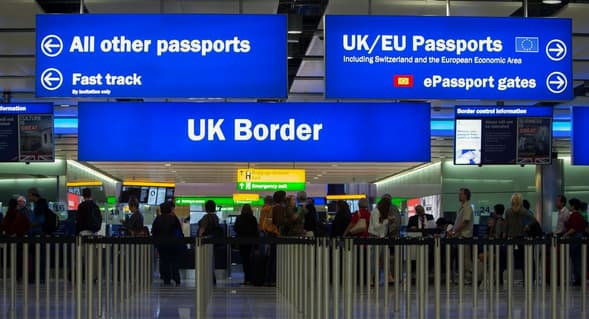
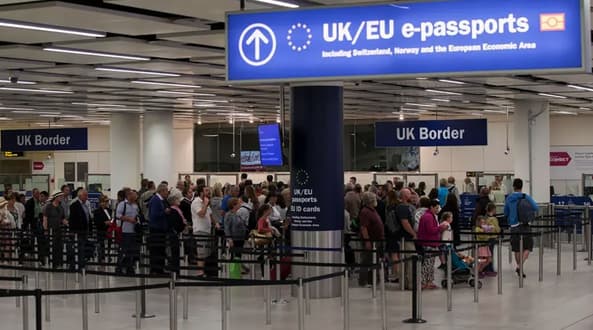
The eGate has been in active use at the British border since 2022, but it is not available to everyone: EU citizens can use it if they are over 12 years old and hold a biometric passport. However, an officer may call you for additional checks, especially if your itinerary appears unusual or your place of residence is missing.
The Electronic Travel Authorization (ETA) system will be launched in 2025. All EU citizens arriving in the UK will be required to obtain an ETA. The process is similar to the ESTA (US) or eTA (Canada):
- Apply online,
- cost approximately £10,
- valid for multiple trips,
- decisions are usually made within minutes.
The ETA is being introduced in stages, but travelers are advised to check the current implementation dates to avoid being denied boarding at the departure airport.
Payments and Bank Cards: Fees, Conversion, and Practical Solutions
After Brexit, the UK is no longer bound by EU rules on bank commission caps, allowing banks to set rates for GBP transactions freely. This has changed the cost of payments for tourists. What this means in practice:
- Card payment fees can vary from 1% to 3% depending on the bank.
- Withdrawing cash from an ATM is sometimes subject to a fixed fee of £1.50–£3, regardless of the EU bank.
- Some banks apply an unfavorable dynamic conversion (DCC), making payments in euros more expensive.
The best solution is to pay in GBP if the terminal offers a choice. This avoids hidden surcharges. To save money, many tourists use financial services:
- Revolut – interbank rates and free payments;
- Wise – favorable conversion and local bank details in GBP;
- N26 — no commission for payments abroad (for some plans).
It’s worth keeping in mind that the UK has a widespread “cashless economy”: cafes, public transport, and even some museums don’t accept cash, so a card or smartphone is required.
Health insurance: what does the GHIC cover and why is private insurance necessary
The EHIC is valid until its expiration date, but after that, EU citizens need a GHIC (Global Health Insurance Card), issued by the UK. It allows them to receive emergency medical care under the same conditions as UK residents, but with significant limitations. What the GHIC covers:
- Visits to public NHS hospitals in cases of health emergency;
- Emergency care;
- Emergency treatment of chronic conditions (e.g., asthma attacks).
What the GHIC does not cover:
- Private clinics;
- Elective treatment;
- Repatriation;
- Medical evacuation;
- Non-emergency dental care.
The cost of healthcare in the UK can be surprising to tourists. For example, a visit to a private GP typically costs £100–£200, while X-rays cost £150-£350. A stay in a private hospital is even more expensive, with costs exceeding £2,000 per night. That’s why the standard recommendation is to take out private travel insurance that at least covers transportation, hospitalization, and trip cancellation in the event of illness.
Mobile Communications: The Return of Roaming and Rising Data Costs
Before Brexit, the “Roam like at home” rule was in effect, but it no longer applies to the UK. EU operators now have the right to set their own rates for communication and mobile data. What’s changed:
- Some operators (for example, some Vodafone, Telekom, and Orange plans) have introduced daily packages of €2–€4;
- Others charge per megabyte or limit speeds;
- Free roaming is sometimes available, but only on premium plans.
To reduce costs, use:
- UK eSIMs (EE, O2, Vodafone UK);
- International solutions (Holafly, Airalo);
- Local SIMs from supermarkets (Tesco Mobile, Giffgaff).
Giffgaff, for example, often offers cheap data packages (10-20GB) for £10-£20.
Customs Regulations: Limits, Prohibitions, and Control
After Brexit, the UK became a third-country country, and import regulations changed. You can import the following items without declaring:
- up to 200 cigarettes;
- up to 42 liters of beer;
- up to 18 liters of wine;
- purchases with a total value of up to £390.
Most animal products are prohibited: cheese (except hard cheese), milk and yogurt, and meat.
Border controls have become stricter, with random baggage checks now common practice. It’s worth noting that fines for violating sanitary regulations can reach £ 500 or more.